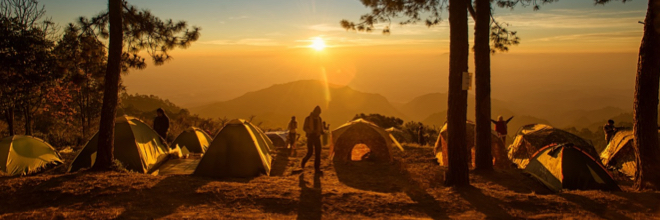
Summer Camp! Just those two words bring back fond memories for me as a teenager. I always liked this time of year as school is winding down, the weather is improving, and baseball season is well underway.
In March I covered how to research and select a summer camp for your child(ren). Since we are now post Covid-19, I reached out and interviewed my longtime friend Ken Barer (KB), Co-owner of Mohawk Day Camp in White Plains, to get the scoop on what’s going on with camp this year.
KB said, “We are 100% full and we filled up the earliest in our history. I think there was plenty of isolation and pent-up anxieties during Covid-19, and kids are really looking forward to reconnecting and relearning how to socialize, and camp is the best place to do it!”
Ken makes a good point as camp can be a transformative experience for children. In many cases, it could be the first time campers are away from their parents for an extended period of time. For the children, it is a good time to learn about autonomy; meaning, it allows the campers to learn how to take care of and fend for themselves. It can also be a lesson for parents to see how their children can operate mostly on their own, learn the power of teamwork, and how to get along with other campers from different backgrounds and sometimes foreign countries. I still have a close friend named Mickey (Miklos) from Budapest, Hungary that I met in camp.
As an insurance and financial advisor, I look at things in terms of risk vs reward. Sleepaway camps have gotten expensive! Campers are rarely aware of how much money their parents are spending on summer camp. These days, $1,000 per week per camper is not out of the question. There are always surprises, especially for the first-time campers. The more preparation is done ahead of time, the less risks campers face.
Tips regarding sharing pre-existing health information with your child’s summer camp include but are not limited to are:
- Prepare a List of Medical Issues: Most camps ask for this information in advance; however, one can never be too careful.
- Allergies: It is critical for the camper and the camp to be aware of any allergies, food or otherwise that your child has. Allergies like peanuts can have an adverse effect on health.
- Insurance Cards: It is important for both the camp and camper to have their health insurance and prescription cards handy in the event of an accidental injury.
- Emergency Contacts: There are camps that do not allow cell phone usage during the day, so it could be beneficial to have a hardcopy file your camper brings with them and keeps in their bunk just in case.
- Inquire About the Infirmary: It never hurts to ask questions and/or visit the infirmary to see what it looks like. Ask if they have epi-pens and other supplies to deal with emergency situations.
The first week or two of camp is the most difficult for campers to negotiate. Like the first day of school, there can be separation anxiety and other anxieties as campers adjust to their new surroundings and bunkmates. There is a big difference between homesickness and physical sickness, so preparation is critical.
Since most campers go away for 4-8 weeks, sending them a care package early in the summer can be advantageous and a good way to show you care.
See my 5 tips for the summer camp care package. Since rules have been changing during Covid-19, check your camp’s guidelines before sending out that “I Love You” package! Here goes:
- Brain/mind games: Studies show that kids can regress mentally up to 25% during the summer. Games like masterminds, puzzles, books, and playing cards can keep them sharp.
- Glow-in-the-dark products: Party pack glow-in-the-dark bracelets, sticks, and Frisbees are fun and can be shared with bunkmates.
- Battery operated: Fans, radios if permitted, and electronics are always appreciated.
- Snacks: Some camps no longer allow food in packages or have campers open the box while supervised. Try rice crispy treats which are nut and gluten-free so easily shared.
- Make it personal: This is a great time to communicate feelings even perhaps some that you don’t often verbalize. A time to share words of wisdom by including a card and/or hand-written note. A little note can go a long way and have an everlasting effect on their summers and through lives journeys!
I would like to take this opportunity to wish you and your campers a fantastic summer season! I wish I was joining them as those were the days!!!