Month: June 2021

  • Term vs. Permanent Life Insurance

    Term vs. Permanent Life Insurance

    You hear a lot in the media debating the merits of term life insurance versus the merits of permanent life insurance policies, including whole life and universal life insurance.

    Anyone who advocates 100% for or against any kind of life insurance structure is missing the point: The best type of insurance to own is the type that is in place when the insured dies!

    And here is the addendum to that rule: The best amount of life insurance to purchase is the amount you can easily afford.There is a place for term life insurance, and a place for permanent life insurance. The most important principles to bear in mind are these: Purchase the policy that:

    1.) You can afford, 

    2.) Best fits your need, and

    3.) Is most likely to be in force when you pass.

    Focus on these three things!

    Term Life Insurance

    Term insurance is designed to be affordable, with a large death benefit.  The trade-off is that term insurance, as the name implies, is temporary. It is valid for a set number of years, typically 10, 15, 20 or 30 years during the set time-period, if you have kept current on your premiums. 

    There are new term policies that can run up to 40 years just approved in New York State, so a 45-year-old non-smoker can purchase an inexpensive term policy up to his/her age 85.  This can be a game-changer!

    The younger you are when you purchase term life insurance the better, because your rates are locked in. Conversely, the older you are when you first buy the policy, the more expensive the premiums will be. Your health condition will be considered when premiums are set.

    Term life insurance can be a good fit for younger families who need a large death benefit at an affordable cost, to protect them against the potentially catastrophic loss of a breadwinner.

    Permanent Life Insurance

    Permanent insurance is designed to pay a death benefit even if you live to a ripe old age, and it does not expire if you keep paying the premiums. There are two basic varieties: whole life and universal life.

    Whole life policies feature a guaranteed death benefit for life, guaranteed-level premiums for life, and guaranteed growth in cash value. In other words, it has a death benefit, and the savings component has a fixed interest rate that builds cash value over time.  Usually, life insurance companies will pay a higher interest rate than banks, sometimes as much a 1-1.5% higher.

    Universal life policies feature a guaranteed death benefit, along with a cash-value component as well. They offer more flexibility than a whole life policy. For example, universal life policies allow you to increase or decrease your death benefit and the policy’s cash value can eventually grow and result in a zero-cost policy, in which all premiums are paid from the cash value you have amassed. 

    Also, the interest rate on the cash value component is not fixed. Instead, it has a guaranteed minimum interest rate, but the rate can change over time based on market conditions.

    Upon Review:

    Term life insurance is the most affordable protection for young people; however, term policies are actuarially designed to lapse. Only 2% to 5% ever pay a claim.

    Therefore, while term provides the most protection for new policy purchasers per dollar of premium, if it is secured later in life, it can be cost prohibitive.

    With permanent policies, it is quite the opposite. Whole life policies require a larger premium commitment for the same amount of death benefit. It is like owning vs renting a house.  Owning costs more/month; however, you are building equity and can turn a profit later. 

    A universal life policy costs less (it can be 20-40% less) out of pocket than whole life. If the policy owner contributes enough premiums into the policy, they can build cash value very quickly. In the long run, if you live to your actuarial life expectancy, you will receive more benefits from a whole life policy than you put into it, either via cash value or via the death benefit.

    In addition, the newer policies have living benefits (long-term care like riders) that you can access to pay for some health care needs later in life while you are still living.

    Are you confused yet?  We have access to more than 100 A-rated life insurance companies.  Newer policies have living benefits that older policies do not.  Do yourself a favor and review your life insurance.  Feel free to reach out to me for a free review at Rob@InsuranceDoctor.us!
  • Crime Pays… in some pro sports

    Crime Pays… in some pro sports

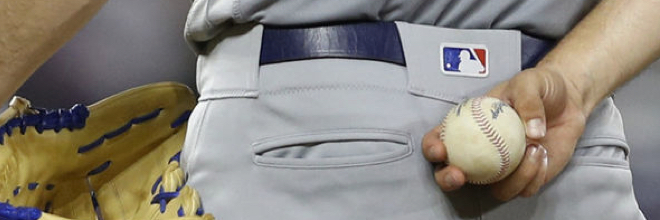
    In last week’s New York Times, the front-page article was titled, “Baseball’s Integrity Crisis: Doctored Balls.”  Cheating in sports has been bothering me for a long-time now!  It is one reason why I retired from all fantasy sports in 2019 and have not read any sports box scores (those that know me this is crazy) since 2019.

    The money is sports is so lucrative that it often “pays to cheat!”  Most sports do NOT have a clear policy against cheating, and those that do, do NOT take back performance bonuses earned due to cheating.  Baseball cheating is probably the worst of all sports, other sports are not far behind. 

    See some of the most memorable cheats below:

    1. Lance Armstrong: Lance, a former American bike racing specialist (and cancer survivor) won 7 consecutive “Tour de France” races from 1999-2005 and catapulted the sports global popularity.  Lance was investigated and stripped of all his medals; however, he earned over $125 million during his career.
    2. Bob Baffert: Arguably horse racing’s most famous trainer, his 2021 Kentucky Derby winning horse, Medina Spirit, was treated with an ointment containing a steroid, which caused him to fail the postrace drug test.  Medina Spirit’s failed drug test is the 5th medication violation in the past 13 months for Baffert.
    3. Ben Johnson: On September 24th, 1988, Canadian sprinter Ben Johnson ran the 100-meter dash in 9.79 seconds to win the gold at the summer Olympics in Seoul, South Korea.  He tested positive for steroids 3 days later and was stripped of the medal. 
    4. Tim Donaghy and Pete Rose: NBA referee Tim Donaghy was a gambling addict who made bets on the games he refereed.  Pete Rose, who was a player and manager also bet on games he managed.  Donaghy resigned from the league amidst an FBI investigation that he bet on games that he officiated.  Donaghy pled guilty and spent 11 months in jail.  Pete Rose was suspended from baseball for life!
    5. Serena Williams: Serena Williams received illegal coaching signals during her 2018 U.S. Tennis Open Finals loss to then 20-year-old Naomi Osaka.  Her coach, Patrick Mouratoglou, admitted to sending her signals saying, “all the coaches do it!”  She received a warning, then a one-point penalty for racket abuse, then a game penalty for verbal use of chair umpire Carlos Ramos calling him “a liar and a thief!”  She made $1.85 million as the 2018 runner-up.  She was NOT penalized for cheating, nor did she have to return any winnings from finishing 2nd!
    6. Barry Bonds, Roger Clemens, and Alex Rodriguez:  These 3 major league baseball players (and many others) have been accused of taking PEDs (performing enhancement drugs).  Clemens “misremembered” and only Alex Rodriguez was given a 1 season suspension.  Although these 3 may never make the hall of fame because of it, they have made many millions since those accusations.
    7. The Houston Astros:  The Houston Astros were caught using technology to steal signs from opposing teams during the 2017 and 2018 seasons.  They beat the Yankees, then the Dodgers and won the 2017 World Series.  No players were fined, nor did they lose playoff bonus money.  Instead, the league fined the Astros $5 million (the maximum allowed) and suspended the general manager and manager 1 season each. 
    8. New England Patriots: In what was called “Spygate,” the Patriots were disciplined by the NFL in 2007 for videotaping coaching signals during NFL games.  They were then caught illegally filming N.Y. Jet practices.  They even had a library of illegal videotapes from all teams across the league.  The NFL fined Bill Belichick $500,000 and the Patriots $250,000 and docked them a 1st round draft pick.  In 2014, Tom Brady was caught intentionally deflating footballs (which made them easier to catch) in the AFC championship game, which was known as “deflate-gate!” He was investigated but never fined.  In 2021, Bill Belichick is still coaching the New England Patriots!  

    To me, it seems that Professional Sports not only need to clean up their act, they also need to clearly define and set stiffer monetary penalties for offenders as there are double standards across the board!  Why should players and teams like the Houston Astros and New England Patriots stop cheating when they are making 100’s of millions of dollars from winning, bonuses, and endorsement deals when they will only get a “slap on the wrist?” 

  • Pet Insurance- Yay or Nay?

    Pet Insurance- Yay or Nay?

    Americans love their pets! Almost 7 of 10 households in America have a pet, many treat their pet like a family member.

    The number of pets has increased in the past year due to the pandemic.  There are health benefits (mostly with dogs) to owning a pet, such as more exercise and lower stress and depression levels.  Dogs have 60 times more sense of smell than humans.  This allows them to detect illnesses, such as epileptic seizures and the presence of some types of cancers. 

    It can be heartbreaking when a pet becomes ill or passes away.  Pet illnesses can also break your bank account!  I have seen Veterinarian bills in the thousands!  Just like shopping for your own health insurance, pet health insurance (PHI) can be complicated and expensive.  “Lassie,” America’s favorite canine TV star, was issued the nation’s first pet insurance policy in 1982.

    Pros to buying a pet policy include, but are not limited to:

    1. Eligibility: Cats and dogs are eligible for pet health insurance (PHI) as young as 8 weeks, up to 12 years old.
    2. Premiums: Premiums are lower when your pet is healthy (no pre-existing conditions) and the younger, the less expensive.
    3. Networks: Most policies (mainly reimbursement types) do NOT have networks, so you can choose your own Veterinarian.
    4. Coverages: Some policies cover up to about 90% of the cost of emergency care and unexpected illnesses. 
    5. Stop Loss: Having a (PHI) policy gives you piece of mind and caps the amount you would have to pay out of pocket when the unexpected happens to your beloved pet!  The worst scenario is called “economic euthanasia.”  This is when you must euthanize your pet because you cannot afford Veterinarian care.

    Cons to buying a PHI (pet health insurance policy) include:

    1. Pre-Existing Conditions: Your pet’s existing illnesses/issues will typically not be covered. 
    2. Coverages: Not all policies cover preventative care, such as routine visits and vaccinations, or they assess and charge extra.
    3. Costs: Older pets cost more as do purebred dogs and cats to insure.
    4. Dealing with Insurance Companies: Many policies are reimbursement so policyholders pay Veterinary costs upfront, then file a reimbursement claim with the insurer.

    Like any type of insurance, it is important to do your due diligence.  A great mentor of mine used to say, “the situation is the boss.”  One size does NOT fit all with pet health insurance, so doing the proper research is critical!

    Money magazine’s top picks for Best Pet Insurance by Category for 2021 include:

    • Healthy Paws– Best Overall Value
    • ASPCA– Best Budget Coverage
    • Figo– Best 100% coverage
    • Trupanion– Best for Hereditary Conditions
    • Embrace– Best for Dental Illnesses
    • Nationwide- Best for Exotic Animals
    • PetFirst- Best Preventative Care

    Things to look for when comparing policies are deductibles, annual benefit caps, coverages, waiting periods, and premiums per month.  PHI premiums can range from $25-$150 per month based on your pet’s age, size, breed, and pre-existing conditions.  Cats can cost up to 60% less to insure than dogs.

    For those people that do not want to buy a policy but would be interested in paying less for services, there are pet care monthly membership discount programs.  One interesting program (that we have access to) is the Pinnacle Pet Care Prime Membership Plan.  This “discount plan” offers unique discounted services with no forms, deductibles, or dealing with insurance companies.  Coverages include a discounted drug card, 24/7 telehealth, cashback shopping (with Target, Walmart, and Petco), dog sitters, special pet pharmacies, and lost pet recovery services.  The discount membership programs usually range from $25-$50/month.

    Pet health insurance (PHI) and discount membership plans are not for everybody; however, they can really come in handy when you and your pet need it most.  My suggestion is to contact your Vet and ask if they take pet insurance and/or participate in pet discount programs.  For those interested in the discount program, feel free to reach out to me at Rob@Insurancedoctor.us.

  • “Little Island,” Big Money!

    In 1946, Anna Intelisano (RIP), my grandmother, came to the USA by herself, speaking no English, and leaving her 4 year-son, (my Father Robert Sr.), and her husband Salvatore Intelisano in Sicily.  Anna was 29 and left a middle-class lifestyle in search of “The American Dream!” 

    It did not start well as she started as a maid cleaning floors, then worked her way up to be a sample dressmaker for a young upstart designer named Diane Von Furstenberg in the late 1970’s.  Anna was an outstanding cook and always made extra food which she would bring to work.  Diane was known to stop by Anna’s workstation on a regular basis and ask, “Anna, what are we having for lunch today?”  Diane, a Belgian designer, is best known for her wrap dress and found “The American Dream.” 

    Diane Von Furstenberg went on to do great things; however, this could be her best gift to the USA and the world!  Her foundation, The Barry Diller-Von Furstenberg Family Foundation gifted $260 million and earmarked another $120 million for the building and maintenance of the newest public park called “The Little Island!”  It is estimated that this $380 million investment will yield billions in tourist revenues over the years!

    The Little Island

    My sister, (in-law) Stacey Reiss, visited The Little Island opening week and described it as, “A beautiful gift to the city of New York… truly one of those special places that only happen once in a decade or so, like the Highline or Brooklyn Bridge Park.  It is what makes New York City so spectacular, public art and spaces that are accessible to all.”

    Photo credit: Flickr

    One of the ways New York can and will bounce back is with the return of tourism.  As we make a comeback, tourist books, websites and magazines will be re-written including “The Little Island,” and this is another reason why people will visit New York City!  

    My Top 10 Reasons to Visit the Little Island:

    1. It is FREE:  There is no charge so everyone can enjoy it!  Little Island is a public park that provides a one-of-a-kind relationship between nature and art!
    2. Sprawling Grounds: Little Island is a 2.4-acre island in the Hudson River built on water where Pier 54 used to be, off West 13th street.  It is an engineering marvel built on tulip-shaped pods, a wonder to behold.
    3. Entertainment: There is a 687-seat amphitheater built on the grounds.  At the same time and place every week, (starting in mid-June) artists fill the Little Island with music and dance.  There will also be events, such as concerts, solo, and small bands, teen open mic, comedy, puppetry, and culinary talks to name a few.  Events are recurring and FREE!
    4. Food and Soft Drinks:  The Little Island partnered with Savory Hospitality (based in midtown) to offer a wide range of fresh food made from scratch using quality ingredients.  Food offerings range from local baked goods, coffees, lattes to a variety of lunch sandwiches.  They have fun kid’s foods like fried mac and cheese, hot dogs, cupcakes as well as healthy foods.  All food is sourced from local vendors and there will be food trucks as well.
    5. Adult-beverages available:  There are 7 micro-brews offered as well as cocktails, hard ciders, seltzers, and wine.  The full menu is available at www.littleisland.org. 
    6. An Engineering Feat: A unique collaboration where the engineers worked directly with the contractor.  Little Island Park needs to be seen to be believed!  Trees are staggered at different heights making it look like they have been there for many years.  It took almost 10 years to build.
    7. Breathtaking Landscapes: Not only is the island built on tulip-shaped pods, but there are also over 350 different varieties of trees, plants, and flowers creating a stunning landscape!
    8. Pandemic Spacing:  There will be crowd control as there are “Timed Entry Reservations.”  The Park opens at 6am.  The advanced ticket reservation system will prevent overcrowding during peak viewing hours.   Advanced ticketing starts at 12 noon.  There is no time limit on how long you may stay once you have entered.
    9. Spaces to Chill and Talk: If you want to make a full day of it, there are many benches, quiet spots, and places to sit, chill and talk.
    10. Interesting Nicknames: I have read a few nicknames.  My favorite 2 are Dubai on the Hudson and The Park on Stilettos!

    There are many people and foundations that give to our city; however, this is the type of gift that keeps on giving.  Thank you to the Diller-Von Furstenberg Family Foundation.  This is what “The American Dream” is all about!